The social consequences of gambling Exploring its impact on community dynamics
The rise of gambling in modern society
Gambling has become increasingly normalized in contemporary society, with its presence felt in various forms, from traditional casinos to online platforms. This cultural acceptance has created an environment where gambling is often viewed as a harmless pastime rather than a potential source of social issues. Communities are witnessing an influx of gambling establishments, which can lead to changes in local dynamics, often sparking conversations about the balance between entertainment and risk. Many players seek out the best online casinos to enjoy their gaming experiences.
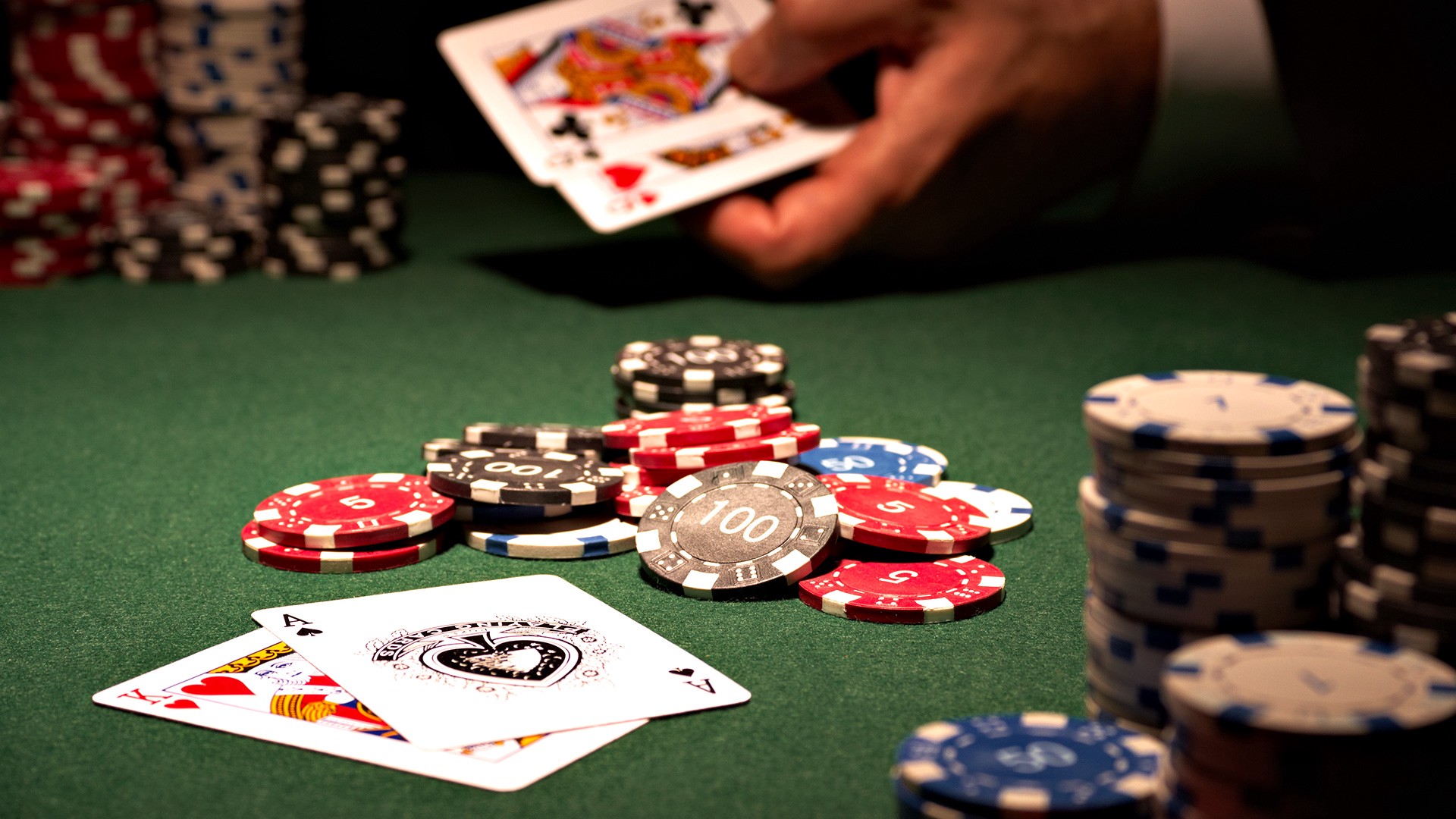
The growing prevalence of gambling raises questions about its impact on community values. While some argue that it can boost local economies through job creation and increased tourism, others worry that it may contribute to a decline in social cohesion. The tension between these perspectives highlights the complexities surrounding the integration of gambling into community life.
Economic implications of gambling
The economic effects of gambling are multi-faceted, with both positive and negative outcomes for communities. On one hand, local businesses often benefit from increased foot traffic and tourism as casinos and betting establishments attract visitors. This economic boost can lead to improved public services and infrastructure, providing communities with a sense of growth and prosperity.
Conversely, the economic impact of gambling can have detrimental effects on families and individuals. Problem gambling can lead to significant financial hardships, resulting in increased debt and the potential for bankruptcy. This financial strain can ripple through the community, affecting local businesses and social services, ultimately leading to a cycle of economic instability.
Social dynamics and community relationships
The introduction of gambling into a community can significantly alter social dynamics. It can create divisions among residents, with some viewing gambling as a fun recreational activity and others considering it a vice that fosters addiction and despair. This divergence in opinions can lead to tensions within neighborhoods, impacting relationships among residents.
Moreover, the potential for gambling addiction can strain familial bonds and friendships, leading to isolation and a breakdown of support networks. As individuals fall deeper into gambling-related problems, they may withdraw from social interactions, leading to a decrease in community engagement and cohesion.
Public health and safety concerns
The social consequences of gambling extend to public health and safety, as increased gambling activities can correlate with rising rates of mental health issues and substance abuse. Communities may experience a surge in gambling addiction cases, prompting a need for public health initiatives and support services. The strain on mental health resources can overwhelm local systems, creating a challenge for community leaders and health professionals.
Additionally, gambling-related crime, such as theft and fraud, can pose safety concerns for communities. When individuals resort to illicit activities to fund their gambling habits, it can lead to an increase in crime rates, further impacting the sense of safety and security within the community.

Enhancing community awareness and resources
As the social consequences of gambling become more pronounced, communities are recognizing the importance of awareness and education. Programs aimed at informing residents about the risks associated with gambling and offering resources for those struggling with addiction can play a crucial role in mitigating negative impacts. By fostering open conversations, communities can work to create a supportive environment for those affected by gambling.
Furthermore, collaboration between local governments, health organizations, and community groups can enhance the effectiveness of these initiatives. By pooling resources and expertise, communities can implement strategies to address the social consequences of gambling, ultimately striving for a more balanced approach that acknowledges both the economic benefits and the potential harms of gambling activities.
